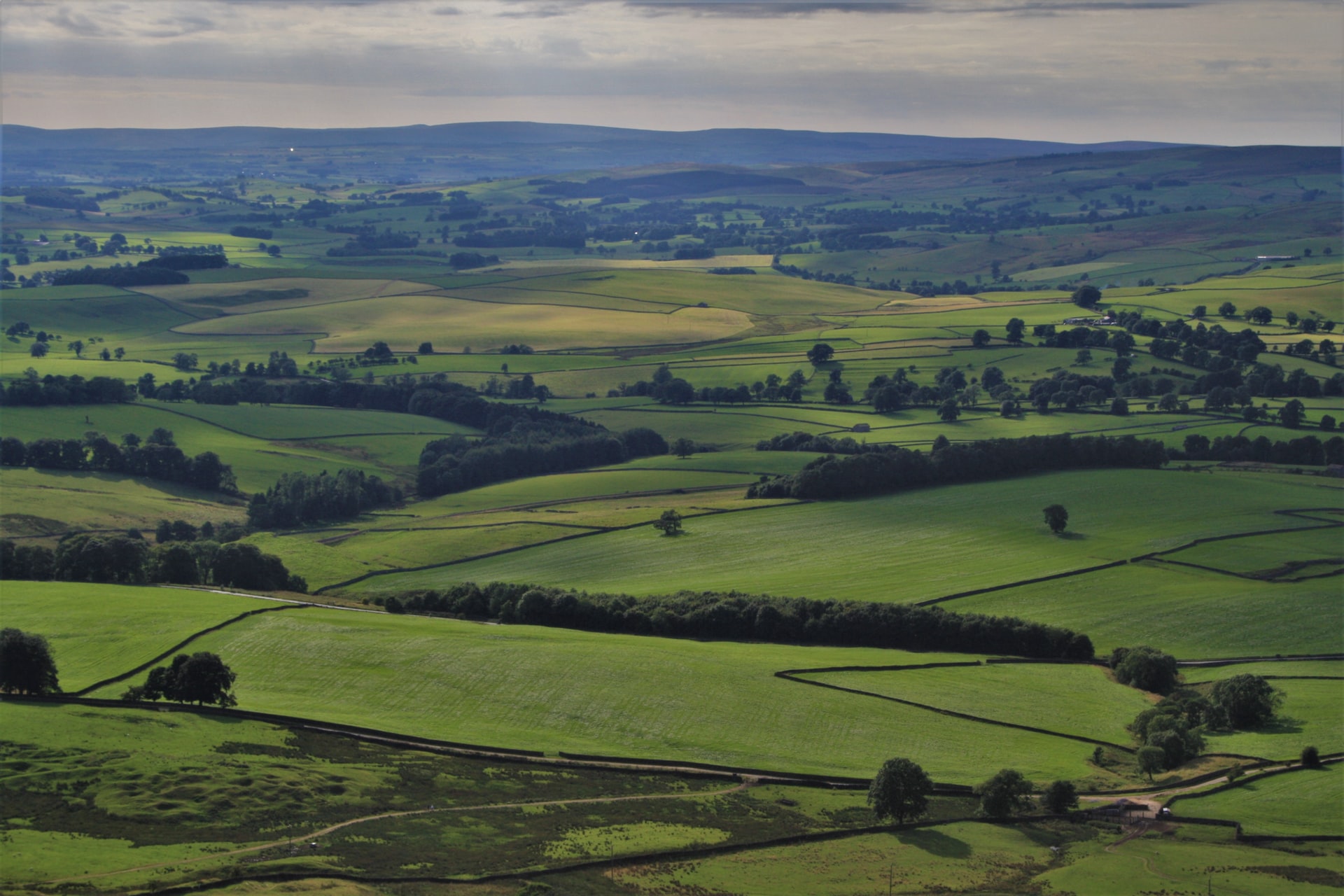
Whether you are looking for a building plot, a rural smallholding or a development opportunity, finding land for sale in the right location is the first step. However, once you find a plot, there is a legal process to navigate — and accurate Land Registry plans play a crucial part in making sure your purchase goes through smoothly.
In this guide, we cover the best websites for searching for land for sale across the UK, explain what to check before buying, and set out the Land Registry plans you will need when your transaction reaches the conveyancing stage.
Why we wrote this guide: Towers Richardson has prepared Land Registry plans for land purchases since 1994. We regularly work with buyers, solicitors and developers who need compliant title plans and transfer plans for land transactions. This guide brings together the search resources and the practical plan advice in one place.
Where to Search for Land for Sale
The best place to start looking for land for sale is online. There are several property portals and specialist websites that list land, building plots and development sites across England, Wales, Scotland and Northern Ireland.
We have grouped the most useful search resources into categories below. Some focus on residential building plots, others specialise in rural land, woodland or commercial development opportunities. Using a combination of these sites gives you the broadest view of what is available in your target area.
Main Property Portals
The major property portals all include land listings alongside residential and commercial property. These are the best starting points for finding land for sale in any part of the UK.
| Website | What It Covers |
|---|---|
| Rightmove | The UK’s largest property portal — search for land and building plots by location, price and size |
| OnTheMarket | A growing portal with a dedicated land section, including development sites |
| Your Move | National estate agency chain listing land and plots alongside residential property |
| PropertyPal | The leading property portal for Northern Ireland, including land and sites |
These portals aggregate listings from local and national estate agents, giving you a wide range of land for sale from a single search. You can filter results by location, price range, plot size and land type.
Specialist Land Search Websites
If you are specifically looking for building plots or development land, these specialist websites focus exclusively on land for sale rather than general property.
| Website | What It Covers |
|---|---|
| PlotFinder | Specialist portal for self-build plots and building land across the UK |
| AddLand | Land marketplace with detailed mapping tools showing ownership boundaries, planning history and environmental data |
| Woods4Sale | Specialist in woodland and forest plots, with land for sale across England, Scotland and Wales |
| Tustins | Land and property auctioneers, often listing development sites and plots at auction |
Search tip: AddLand is particularly useful for due diligence. It overlays Land Registry title boundaries, planning application data and environmental information on a map, giving you a detailed picture of any plot before you even visit it.
Rural Land, Farms and Woodland
If you are looking for agricultural land, farmland, estates or woodland for sale, these specialist agents and portals focus on the rural property market.
| Website | What It Covers |
|---|---|
| UK Land and Farms | Specialist portal for farms, rural estates and agricultural land |
| Knight Frank | Leading estate agent for country houses, farms and rural estates |
| Strutt & Parker | Rural property specialists with farm, estate and land listings across England, Scotland and Wales |
| Fox & Sons | Regional estate agent covering the South of England, with rural land and property listings |
| Woodlands.co.uk | Small woodland plots for sale across England, Scotland and Wales — ideal for conservation, recreation or investment |
| Forests.co.uk | Larger forest and woodland properties, including commercial forestry and estate plantations |
| Savills | Major national agent with a strong rural and estates division covering farms, development land and rural commercial property |
Rural land purchases often involve larger areas, complex boundaries and unregistered land — all of which can require specialist Land Registry plans to complete the transaction.
Found Land for Sale? Need a Plan?
We prepare compliant title plans and transfer plans for land purchases. 100% HMLR acceptance rate. Most plans delivered within 24–48 hours.
Get a Free QuoteEstate Agents and Land Agents
Not all land for sale appears on the major online portals. Local estate agents and specialist land agents often have plots available that are not widely advertised — particularly smaller parcels, infill plots and off-market opportunities.
If you are searching in a specific area, it is worth contacting local agents directly and asking to be added to their mailing list for land and plots. Many agents will notify you of new listings before they appear online, giving you an early opportunity to view and make an offer.
For development land and larger sites, specialist land agents and commercial property firms such as Savills, Knight Frank and Strutt & Parker often handle sales that are marketed exclusively through their own networks.
What to Check Before Buying Land
Finding land for sale is the exciting part. However, before committing to a purchase, there are several important checks that you or your solicitor should carry out.
- Title and ownership — is the land registered at HM Land Registry? Who owns it? Are there any charges, restrictions or covenants on the title?
- Planning status — does the land have planning permission for your intended use? If not, what are the prospects of obtaining it?
- Access — does the land have legal access from a public highway? If access is across third-party land, is there a formal right of way?
- Boundaries — are the boundaries clear and agreed? Do they match what is shown on the title plan?
- Services — is the land connected to mains water, electricity, gas and drainage? If not, what are the costs of connection?
- Environmental considerations — is the land in a flood zone, conservation area, or subject to tree preservation orders or ecological designations?
- Local authority searches — these reveal planned developments, road schemes and other matters that could affect the value or use of the land
- Unregistered land — if the land is not registered at HMLR, additional investigations are needed to establish ownership and any existing rights over the land
Your solicitor or conveyancer will carry out the detailed legal checks as part of the conveyancing process. However, understanding these issues early helps you avoid costly surprises later.
Planning tip: Land with full planning permission is almost always more expensive than land without. However, buying land without planning permission carries the risk that consent may not be granted. If you are buying land for sale with the intention of building on it, check the planning status carefully before exchanging contracts.
What Land Registry Plans Do You Need?
When you buy land, the conveyancing process will require one or more Land Registry-compliant plans depending on the nature of the transaction. Here are the most common scenarios.
Buying the Whole of a Registered Title
If you are buying land that is already registered and you are purchasing the entire title, a new plan is not usually required. The existing title plan held by HMLR will remain in place, and ownership simply transfers to you.
Buying Part of a Registered Title
If you are buying part of someone else’s land — for example, a building plot carved out of a larger title — a transfer plan is required. This accompanies the TP1 transfer deed and shows HMLR exactly which part of the title is being transferred to you and which part the seller is keeping.
First Registration of Unregistered Land
If the land you are buying is unregistered (it does not currently have a title number at HMLR), your solicitor will need to apply for first registration after completion. This requires a title plan showing the boundaries of the land you are registering.
Land With Complex Boundaries or Multiple Parcels
For larger purchases involving multiple fields, parcels or access routes, several plans may be needed — potentially at different scales — to clearly show all of the land being acquired and any rights being granted or reserved.
In every case, the plan must comply with HM Land Registry’s requirements under Practice Guide 40. Plans that do not meet these standards will be rejected, causing delays to your transaction.
Common Issues With Land Purchases
Land transactions can be more complex than standard house purchases. After 30 years of preparing plans for land buyers and their solicitors, we regularly see the following issues arise:
- Boundaries on the ground do not match the title plan — fences, hedges and walls may not align with the registered boundary, creating uncertainty about exactly what you are buying
- The land is unregistered — with no HMLR title, establishing ownership requires a chain of deeds and may involve a Search of the Index Map to check for any existing registrations
- Access is unclear — the land may not have a formal right of way, or the access route may cross land owned by a third party
- Existing plans are non-compliant — estate agent sales particulars and marketing plans often carry prohibited phrases like “not to scale” and cannot be used for Land Registry purposes
- Overlapping titles — in some cases, parts of the land may already be included in a neighbouring registered title, creating a conflict that needs resolving
- Planning restrictions or covenants — restrictions on the title may limit what you can do with the land, even if it appears to have development potential
Each of these issues requires careful handling — and in most cases, accurate Land Registry plans are part of the solution. Whether it is a fresh title plan for a first registration or a transfer plan to resolve a boundary issue, getting the plan right is essential for completing the transaction.
How Towers Richardson Can Help
At Towers Richardson, we prepare Land Registry-compliant plans for land purchases across England and Wales. Whether you are buying a small building plot, a large rural parcel or a multi-plot development site, we have the experience to deliver the plans your solicitor needs.
Here is what we offer:
- Title plans — for first registrations of unregistered land
- Transfer plans — for purchases of part of a registered title (TP1 transfers)
- 100% HMLR acceptance rate — every plan is checked against Practice Guide 40 before delivery
- Licensed Ordnance Survey data — we work directly with current OS MasterMap data in our CAD systems
- 30+ years of specialist experience — we have been preparing plans for land transactions since 1994
- Fast turnaround — most plans delivered within 24 to 48 hours, with same-day options available
- Nationwide coverage — we serve clients across England and Wales from our base in South Yorkshire
- Fixed-price quotes — no hidden fees, with costs confirmed before any work starts
Plans start from £115. Request a quote and we will respond within 1 hour during business hours.
30+ Years. 100% Acceptance Rate.
Trusted by solicitors, developers and property professionals across England and Wales since 1994.
Request Your Free QuoteFrequently Asked Questions
Where can I find land for sale near me?
The best starting points are the major property portals — Rightmove and OnTheMarket — which both have dedicated land sections. For specialist searches, PlotFinder focuses on self-build plots, AddLand offers detailed mapping and ownership data, and rural agents like Knight Frank and Strutt & Parker list farms, estates and woodland.
Do I need a Land Registry plan when buying land?
It depends on the transaction. If you are buying the whole of an already-registered title, a new plan is not usually needed. If you are buying part of a title or the land is unregistered, you will need a compliant plan — either a transfer plan or a title plan for first registration.
What checks should I do before buying land?
Key checks include confirming ownership and title status, planning permission, legal access, boundary accuracy, service connections, flood risk and any restrictions or covenants on the land. Your solicitor will carry out these checks as part of the conveyancing process.
What is unregistered land?
Unregistered land is land that does not currently have a title registered at HM Land Registry. When you buy unregistered land, your solicitor must apply for first registration, which requires a compliant title plan showing the boundaries of the land being registered.
How much does a Land Registry plan cost for a land purchase?
Plans start from £115 for standard title plans and transfer plans. More complex sites involving multiple parcels or large areas are priced on a project basis. We provide fixed-price quotes upfront — contact us for a personalised quote.
Can I use the estate agent’s plan for Land Registry purposes?
No. Estate agent plans are typically marked “for identification purposes only” or “not to scale,” which are prohibited phrases under HMLR’s requirements. A purpose-prepared Land Registry plan based on Ordnance Survey data is needed for registration.
How long does a Land Registry plan take?
We typically deliver plans within 24 to 48 hours. Same-day urgent turnarounds are available when needed.
Buying Land? We Can Help With the Plans.
Towers Richardson has been preparing Land Registry-compliant plans since 1994. Whether you have found land for sale and need a title plan for first registration or a transfer plan for a partial purchase, we prepare every plan to Practice Guide 40 standards and deliver with a 100% HMLR acceptance rate.
We work with solicitors, buyers, developers and property professionals across England and Wales.
Get in touch today:
📧 info@towers-richardson.co.uk
📞 01226 885040
💬 WhatsApp: 07543 434048
Or request a free quote online — we respond within 1 hour during business hours.
